
 Carpentry & Woodworking
 Cleaning Services
 Construction & Building
 Electrical
 Flooring & Tiling
 Glass & Aluminum
 Home Renovation
 HVAC
HVAC Landscaping & Outdoor
 Maintenance & Repair
 Metalwork
 Painting & Decorating
 Plumbing
 Security Systems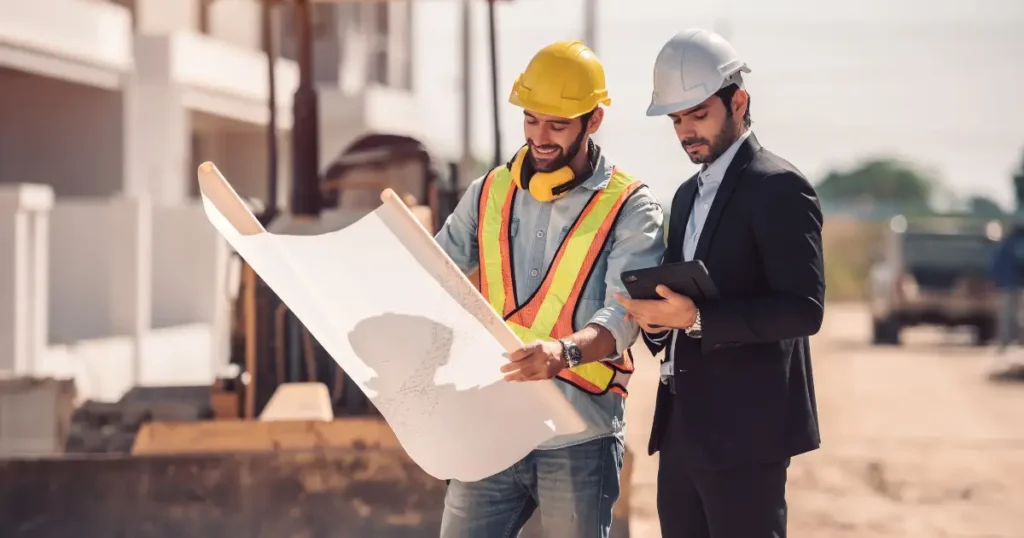
Construction Building is the foundation of modern communities, shaping the places where people live, work, learn, and connect. Every successful project represents far more than bricks, steel, and concrete; it reflects thoughtful planning, skilled craftsmanship, innovative engineering, and a commitment to creating safe, durable, and inspiring spaces. Whether constructing a new family home, developing a commercial facility, renovating an aging property, or expanding an existing structure, professional expertise transforms ideas into lasting realities. High-quality construction not only enhances functionality and aesthetics but also increases property value, improves energy efficiency, and ensures long-term structural performance. By combining advanced building techniques, premium materials, and experienced professionals, every project can achieve exceptional results that stand the test of time while meeting the unique needs of homeowners, businesses, and communities alike.
Construction Building: The Complete Guide to Modern Construction Excellence
The construction industry continues to evolve through technological innovation, sustainable practices, and improved project management. Today’s building projects emphasize efficiency, durability, environmental responsibility, and architectural excellence without compromising safety or functionality.
Every successful development begins with careful planning. Before construction starts, professionals evaluate land conditions, environmental factors, local regulations, structural requirements, and the client’s long-term objectives. This preparation reduces unexpected challenges while ensuring every phase proceeds efficiently.
Modern construction also depends heavily on collaboration. Architects, engineers, project managers, contractors, and skilled tradespeople work together throughout every stage to transform detailed plans into finished structures that satisfy both technical standards and client expectations.
Beyond aesthetics, professionally built structures provide security, energy efficiency, comfort, and long-term financial value. High-quality workmanship minimizes future maintenance costs while extending the lifespan of the entire property.
Whether the project involves residential neighborhoods, office buildings, retail centers, educational facilities, healthcare institutions, or industrial complexes, professional construction services create environments designed to support everyday life for decades to come.
Construction Building Services for Residential Projects
Building a home represents one of the most significant investments many families will ever make. Every detail—from the initial design to the finishing touches—contributes to creating a space that reflects personal style while providing lasting comfort and functionality.
Professional residential construction begins by understanding the homeowner’s vision. Lifestyle requirements, family size, future expansion plans, budget considerations, and architectural preferences all influence the design process. This collaborative approach ensures that every room serves a practical purpose while maintaining visual harmony throughout the property.
Foundation work establishes the structural integrity of the entire building. Careful site preparation, soil evaluation, drainage planning, and reinforced concrete installation create a stable base capable of supporting the structure for generations.
Framing follows, forming the skeleton of the building. Precision during this phase is essential because every wall, doorway, ceiling, and roof depends upon accurate measurements and skilled craftsmanship.
Roofing, insulation, windows, and exterior finishes protect the property from weather while improving energy efficiency. Properly installed systems help regulate indoor temperatures, reduce utility expenses, and increase long-term comfort.
Interior work includes electrical systems, plumbing, heating and cooling, flooring, cabinetry, painting, lighting, and decorative finishes. Every stage requires coordination among specialized professionals to achieve consistent quality throughout the home.
Modern residential projects increasingly incorporate smart technologies such as automated lighting, climate control, security systems, and energy monitoring solutions that enhance convenience while improving efficiency.
The final result is a personalized living environment built to support everyday life while increasing long-term property value.
Construction Building for Custom Homes
Every family has unique needs, making custom home construction an increasingly popular choice for homeowners seeking complete design flexibility.
Unlike standard developments with predetermined layouts, custom homes allow every aspect of the property to be tailored according to personal preferences. Room dimensions, architectural style, ceiling heights, outdoor living areas, storage solutions, and interior finishes can all be customized to reflect individual lifestyles.
Natural lighting often becomes a central design feature. Large windows, open living spaces, and carefully planned layouts create bright interiors that promote comfort while reducing dependence on artificial lighting during daylight hours.
Energy-efficient construction techniques further improve long-term performance. High-performance insulation, efficient windows, advanced HVAC systems, and sustainable materials contribute to lower operating costs while supporting environmentally responsible building practices.
Custom homes also provide greater adaptability for future needs. Flexible floor plans, multipurpose rooms, home offices, and accessible design features allow the property to evolve alongside changing family requirements.
By combining architectural creativity with engineering precision, custom construction transforms personal ideas into homes that remain functional, beautiful, and valuable for many years.
Construction Building Solutions for Commercial Projects
Commercial construction requires a different level of planning because every building must support business operations while meeting strict regulatory and safety standards.
Office buildings are designed to encourage productivity through efficient layouts, comfortable workspaces, natural lighting, and modern infrastructure capable of supporting evolving technologies.
Retail developments focus on customer experience. Attractive entrances, spacious interiors, accessible layouts, and durable finishes create welcoming environments that strengthen brand identity while encouraging longer visits.
Restaurants require specialized planning for kitchens, dining areas, storage facilities, ventilation systems, plumbing infrastructure, and food safety compliance. Every element must contribute to efficient daily operations while maintaining an inviting atmosphere for guests.
Healthcare facilities prioritize accessibility, hygiene, and operational efficiency. Hospitals, clinics, and medical offices require carefully designed environments that support patient care while meeting rigorous building standards.
Educational institutions emphasize safety, flexibility, and collaborative learning environments. Classrooms, laboratories, libraries, sports facilities, and administrative spaces are designed to accommodate both current and future educational needs.
Industrial buildings require durable structural systems capable of supporting manufacturing equipment, storage operations, logistics, and large-scale production activities.
Professional commercial construction balances aesthetics, operational efficiency, long-term durability, and cost management to create spaces that support business success while delivering excellent value for property owners.
Construction Building Process from Planning to Project Completion
Every successful project follows a carefully organized process that transforms an initial idea into a completed structure. Each phase builds upon the previous one, ensuring that quality, safety, and efficiency remain priorities from beginning to end. Careful coordination between designers, engineers, contractors, and clients allows projects to progress smoothly while minimizing delays and unexpected costs.
The journey begins with consultation and project planning. During this stage, specialists discuss the client’s objectives, budget, preferred architectural style, property size, and long-term expectations. Understanding these requirements early creates a strong foundation for informed decision-making throughout the project.
Once the project vision has been established, architects and engineers prepare detailed drawings, structural calculations, and technical specifications. These documents define every aspect of the future building, including dimensions, materials, utilities, accessibility, and safety requirements. Local permits and regulatory approvals are then secured before physical work begins.
Site preparation represents the first stage of construction. The land is cleared, graded, and prepared to support the structure. Proper drainage systems are installed where necessary to protect the future building from water-related damage. Soil conditions are also verified to ensure that the foundation will provide long-term stability.
Foundation work follows with precision. Reinforced concrete footings, slabs, or basement structures are carefully constructed according to engineering specifications. Since every component above relies on the foundation, this stage demands exceptional accuracy and strict quality control.
After the foundation has cured, framing begins. Steel or timber structural components create the skeleton of the building, forming walls, floors, ceilings, and roof systems. Accurate framing ensures proper alignment while preparing the structure for mechanical systems and interior finishes.
Roof installation and exterior wall systems protect the building from weather conditions. Windows, exterior doors, insulation, and weatherproof barriers are installed to improve energy efficiency while creating a secure building envelope.
Mechanical systems—including plumbing, electrical wiring, heating, ventilation, air conditioning, and communication infrastructure—are then integrated throughout the structure. Careful coordination between multiple specialized trades ensures every system functions efficiently without interfering with others.
Interior finishing transforms the structure into a functional living or working environment. Flooring, cabinetry, drywall, painting, lighting, fixtures, and decorative elements gradually bring the architectural vision to life.
The final stage includes comprehensive inspections, system testing, quality assurance reviews, and client walkthroughs. Every detail is carefully examined before project completion to ensure the finished building meets professional standards and exceeds client expectations.
Construction Building Materials for Lasting Performance
Selecting appropriate materials is one of the most important decisions in any construction project. Every material contributes to structural integrity, energy efficiency, durability, maintenance requirements, and the overall appearance of the completed property.
Concrete remains one of the most widely used construction materials because of its exceptional strength, versatility, and longevity. Modern concrete formulations provide excellent resistance against weather, fire, and heavy structural loads, making them suitable for foundations, walls, floors, bridges, and commercial buildings.
Steel has become increasingly popular due to its remarkable strength-to-weight ratio. Structural steel allows architects to design larger open spaces while maintaining outstanding stability. Its durability also makes it an excellent choice for commercial, industrial, and high-rise developments.
Timber continues to play an essential role in residential construction. Properly treated wood provides natural beauty, excellent insulation properties, and sustainable building opportunities when responsibly sourced. Engineered wood products further improve consistency and structural performance.
Brick remains valued for its timeless appearance and durability. Brick walls require minimal maintenance while providing excellent thermal performance and resistance to fire, insects, and weather conditions.
Natural stone adds elegance and long-term durability to both interior and exterior applications. Granite, limestone, sandstone, and marble are frequently selected for premium architectural projects where appearance and longevity are equally important.
Glass has evolved considerably through modern manufacturing technologies. Energy-efficient glazing systems improve insulation while allowing abundant natural light to enter interior spaces. Advanced coatings also help regulate solar heat gain and reduce energy consumption.
Insulation materials contribute significantly to energy efficiency and occupant comfort. High-performance insulation reduces heating and cooling costs while minimizing noise transfer between rooms and exterior environments.
Roofing materials vary according to climate, architectural style, and budget. Asphalt shingles, metal roofing, clay tiles, slate, and modern composite products each offer distinct advantages in terms of durability, maintenance, and visual appeal.
Choosing high-quality materials from reputable manufacturers helps ensure that the completed structure maintains its strength, appearance, and functionality for decades while reducing long-term repair expenses.
Construction Building Project Management for Successful Delivery
Even the most impressive architectural design cannot succeed without effective project management. Coordinating schedules, budgets, personnel, suppliers, inspections, and client communication requires experienced leadership throughout every stage of construction.
Project managers serve as the central point of coordination between all stakeholders. They oversee timelines, monitor progress, resolve challenges, and ensure that every phase remains aligned with project objectives.
Budget management represents one of the primary responsibilities. Careful financial planning allows resources to be allocated efficiently while minimizing unnecessary expenses. Regular cost monitoring also helps identify potential issues before they affect the overall project.
Scheduling plays an equally important role. Construction activities must occur in the correct sequence to avoid delays. Materials must arrive when needed, subcontractors must coordinate their work effectively, and inspections must be completed according to local regulations.
Quality control continues throughout every phase. Regular inspections verify that workmanship meets engineering specifications, building codes, and client expectations before additional construction proceeds.
Risk management helps minimize disruptions caused by weather, supply chain challenges, labor availability, or unexpected site conditions. Proactive planning allows teams to respond quickly while maintaining project momentum.
Communication remains essential from beginning to completion. Clients receive regular progress updates, allowing them to make informed decisions while maintaining confidence in the project’s direction.
Strong project management ultimately results in safer construction sites, improved efficiency, higher quality workmanship, and greater client satisfaction.
Construction Building Safety Standards for Every Project
Safety forms the foundation of every successful construction project. Protecting workers, clients, visitors, and future occupants requires careful planning, continuous training, and strict adherence to industry regulations.
Before work begins, comprehensive safety plans identify potential hazards and establish procedures for minimizing risks. Every worker receives appropriate training regarding equipment operation, emergency response, fall protection, and personal protective equipment.
Construction sites are organized to reduce accidents through clearly marked pathways, secure storage areas, protective barriers, and controlled access points. Maintaining an orderly workplace improves both safety and productivity.
Modern equipment undergoes regular inspections to verify proper operation. Cranes, scaffolding, lifting devices, electrical tools, and heavy machinery receive scheduled maintenance to reduce the likelihood of equipment failure.
Environmental safety also receives increasing attention. Dust control measures, responsible waste management, noise reduction strategies, and sustainable construction practices help minimize the project’s impact on surrounding communities.
Building codes establish minimum safety requirements for structural design, fire protection, accessibility, electrical systems, plumbing, and emergency exits. Compliance with these standards ensures that completed buildings provide safe environments for occupants throughout their lifespan.
By making safety a priority at every stage, construction professionals protect both people and investments while delivering projects that inspire long-term confidence.
Construction Building Sustainable Practices for the Future
Sustainability has become one of the defining priorities of the modern construction industry. Property owners, developers, and businesses increasingly seek buildings that reduce environmental impact while providing long-term economic benefits. Responsible construction practices not only conserve natural resources but also create healthier, more efficient spaces for future generations.
Energy efficiency begins during the design phase. Building orientation, window placement, natural ventilation, and insulation strategies are carefully planned to reduce heating and cooling demands throughout the year. Well-designed structures maintain comfortable indoor temperatures while consuming significantly less energy.
Renewable energy systems continue to gain popularity in both residential and commercial developments. Solar panels, battery storage solutions, and energy-efficient lighting systems help lower operating costs while reducing dependence on traditional energy sources.
Water conservation represents another important aspect of sustainable construction. High-efficiency plumbing fixtures, rainwater harvesting systems, and smart irrigation technologies reduce unnecessary water consumption without compromising everyday convenience.
Environmentally responsible material selection also contributes to greener construction. Recycled steel, responsibly sourced timber, low-emission insulation, and durable building products help minimize waste while supporting healthier indoor environments.
Waste management during construction has also improved considerably. Careful planning allows recyclable materials to be separated and reused whenever possible, reducing landfill waste and improving overall project efficiency.
By integrating sustainable practices throughout every phase of construction, property owners benefit from lower operating expenses, improved energy performance, and buildings designed to meet future environmental expectations.
Construction Building Modern Design Trends
Architecture continues to evolve as technology, lifestyle preferences, and environmental awareness influence the way buildings are designed and constructed. Modern developments emphasize functionality, flexibility, and timeless aesthetics while incorporating innovative features that improve everyday living.
Open floor plans remain highly desirable because they create bright, spacious interiors that encourage natural movement between living areas. Large windows maximize daylight while strengthening the connection between indoor and outdoor spaces.
Minimalist architecture continues to gain popularity through clean lines, simple forms, and carefully selected materials that create elegant yet practical environments. Neutral color palettes, natural textures, and uncluttered spaces provide lasting visual appeal.
Smart home technology has become an essential feature in many new residential projects. Automated lighting, climate control, security systems, and voice-controlled devices increase convenience while improving energy efficiency and property security.
Commercial buildings are also embracing flexible layouts capable of adapting to changing business needs. Modular office spaces, collaborative work environments, and multi-purpose facilities allow organizations to evolve without requiring major structural modifications.
Biophilic design has emerged as another important trend. Natural materials, indoor plants, green walls, and abundant daylight help create healthier environments that improve occupant well-being and productivity.
Exterior architecture increasingly combines durability with visual sophistication. Modern facades incorporate glass, stone, metal, timber, and composite materials to create distinctive buildings that remain attractive for decades.
Successful design balances innovation with practicality, ensuring that buildings remain functional, efficient, and visually appealing throughout their lifespan.
Construction Building Cost Factors
Every construction project represents a significant financial investment, making careful budgeting essential for long-term success. Understanding the primary factors that influence costs allows property owners to make informed decisions while avoiding unnecessary expenses.
Project size naturally affects the overall budget. Larger buildings require more materials, labor, equipment, and project management resources than smaller developments.
Site conditions also influence construction costs. Sloping land, unstable soil, limited access, or existing structures requiring demolition may increase preparation expenses before building work begins.
Material selection plays an equally important role. Premium finishes, specialty products, imported materials, and custom architectural elements generally increase initial costs while often providing superior durability and aesthetic value.
Labor represents another major component of the budget. Experienced contractors, skilled tradespeople, and specialized technicians contribute significantly to construction quality while ensuring compliance with industry standards.
Building complexity affects both labor and material requirements. Custom layouts, high ceilings, unique structural designs, and advanced engineering solutions require additional planning and craftsmanship.
Permit fees, inspections, utility connections, landscaping, and interior finishing should also be considered during financial planning. These elements collectively contribute to the final project cost and should never be overlooked.
Although reducing expenses is a reasonable objective, selecting the lowest-priced option without considering quality may result in higher maintenance costs, structural issues, or future renovations. Investing in skilled professionals and quality materials often delivers greater long-term value.
Construction Building Common Mistakes to Avoid
Many construction challenges can be prevented through careful planning and informed decision-making. Avoiding common mistakes helps projects remain on schedule while protecting both quality and budget.
One of the most frequent errors is beginning construction before finalizing the design. Late design changes often create delays, increase costs, and complicate coordination between contractors.
Choosing builders based solely on the lowest quotation may also lead to disappointing results. Experience, reputation, communication, and workmanship should always receive equal consideration alongside pricing.
Inadequate budgeting frequently creates unnecessary stress during construction. Setting aside contingency funds allows unexpected circumstances to be managed without disrupting project progress.
Poor communication between clients, designers, and contractors may result in misunderstandings regarding specifications, timelines, or expectations. Regular meetings and documented decisions help maintain alignment throughout the project.
Neglecting future maintenance is another common oversight. Selecting durable materials and accessible building systems simplifies repairs while reducing long-term ownership costs.
Ignoring local building regulations or permit requirements can cause significant legal and financial complications. Working with qualified professionals ensures compliance from the beginning.
Finally, rushing the construction schedule often compromises workmanship. Allowing sufficient time for each phase results in higher-quality finishes, improved structural performance, and greater client satisfaction.
Construction Building Renovation and Remodeling
Not every property requires a completely new structure. Renovation and remodeling provide excellent opportunities to modernize existing buildings while preserving their original character and increasing their overall value.
Older homes often benefit from updated electrical systems, plumbing, insulation, roofing, and energy-efficient windows. These improvements enhance comfort while reducing ongoing operating costs.
Kitchen and bathroom renovations remain among the most popular remodeling projects because they significantly improve both functionality and resale value. Updated cabinetry, countertops, fixtures, and lighting create contemporary spaces that better support everyday living.
Commercial renovations help businesses adapt to changing operational requirements. Office redesigns, retail upgrades, restaurant improvements, and hospitality renovations allow organizations to remain competitive while improving customer experiences.
Structural remodeling may include room additions, open-concept layouts, accessibility improvements, or expanded outdoor living spaces. These modifications allow existing properties to accommodate evolving family or business needs without requiring relocation.
Historic buildings require specialized expertise to preserve architectural character while integrating modern construction standards. Careful restoration allows these properties to maintain their cultural significance while providing contemporary functionality.
Professional renovation combines engineering knowledge, design creativity, and skilled craftsmanship to breathe new life into existing structures while extending their useful lifespan for many years.
Construction Building Frequently Asked Questions
Whether you are planning a new home, expanding a commercial property, or renovating an existing structure, it is natural to have questions before starting the project. The following answers address some of the most common concerns and provide helpful guidance for making informed construction decisions.
Construction Building: How Long Does a Typical Project Take?
Every project follows its own timeline depending on the size, complexity, weather conditions, permit approvals, material availability, and overall scope of work. Smaller residential homes may be completed within several months, while larger commercial developments often require a year or more. Careful planning, experienced project management, and effective communication help keep construction progressing according to schedule while maintaining high standards of quality.
Construction Building: What Makes a High-Quality Structure?
Exceptional construction is achieved through a combination of professional design, skilled craftsmanship, premium materials, and strict quality control throughout every stage of the project. Attention to detail, compliance with local building regulations, and regular inspections ensure that the finished structure remains safe, durable, energy-efficient, and visually appealing for many years.
Construction Building: Why Is Professional Project Management Important?
Successful construction depends on careful coordination between architects, engineers, contractors, suppliers, inspectors, and property owners. Professional project management helps control budgets, maintain schedules, resolve challenges quickly, and ensure that every phase of construction meets the required standards. This organized approach reduces costly delays while improving communication and overall project efficiency.
Construction Building: Which Materials Offer the Best Long-Term Value?
The ideal materials depend on the project’s location, architectural style, environmental conditions, and budget. Reinforced concrete, structural steel, engineered timber, natural stone, high-performance insulation, and energy-efficient windows are widely recognized for their durability, reliability, and long-term performance. Investing in quality materials often reduces future maintenance expenses while increasing the property’s lifespan.
Construction Building: Does Sustainable Construction Increase Property Value?
Energy-efficient buildings have become increasingly attractive to homeowners, investors, and businesses. Features such as superior insulation, renewable energy systems, efficient windows, water-saving technologies, and environmentally responsible materials improve comfort while reducing operating costs. These advantages frequently contribute to stronger resale value and greater long-term financial returns.
